
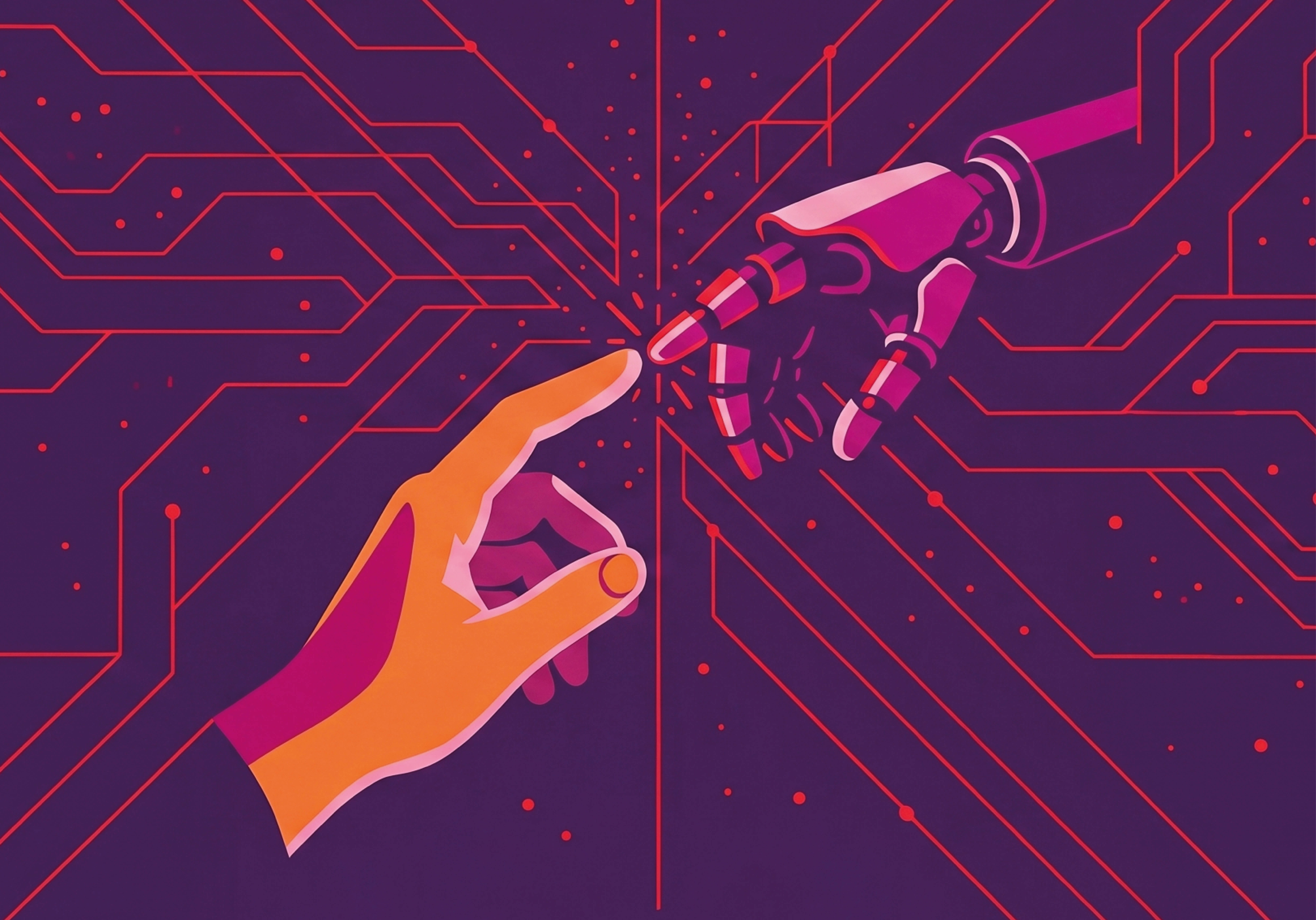
Artificial intelligence is changing the way we work. Public Relations is no exception.
We write faster, analyze more information, and produce content in less time. But just as these tools become more accessible, a less technological and far more strategic question emerges: what really makes a communication professional stand out?
It’s a reflection that runs through “Shaping the Future of Public Relations”, the 2025 Annual Report from CIPR, the UK’s Chartered Institute of Public Relations, which identifies three pillars for the future of the profession: continuous learning, the responsible use of artificial intelligence, and professional ethics.
AI isn’t the point
Much of the conversation around artificial intelligence focuses on the tools themselves. Which platform to use? Which tasks to automate? How to produce more content? Legitimate questions, but not sufficient ones.
The real difference won’t come from who uses more technology, but from who knows how to use it better. The ability to interpret information, put it in context, verify it, and turn it into effective decisions will continue to make the difference.
For those working in Public Relations, technology is an accelerator. It cannot replace critical thinking, relational sensitivity, or an understanding of the environments in which companies and organizations operate every day.
The skills that really matter
Technological evolution makes investing in professional growth even more important.
Critical thinking, strategic vision, the ability to analyze reputation, an understanding of social and cultural contexts, attention to sources: these are increasingly decisive skills in a market where information is abundant but the ability to give it meaning remains a human responsibility.
In this sense, continuous learning is no longer just an opportunity for growth, but an essential part of the profession.
Trust, transparency, and responsibility
Artificial intelligence also brings new responsibilities. That’s why the international debate is increasingly focused on the rules and principles that should guide its use. This is reflected in the growing attention to initiatives like the Venice Pledge, created to promote an ethical approach to AI in Public Relations.
Trust remains the most valuable asset for any organization. Public Relations isn’t just about generating visibility. It’s about building credible relationships, fostering transparency, and contributing to more responsible communication — goals no technology can guarantee on its own.
bbrand’s perspective
At bbrand, we use artificial intelligence tools to support our everyday work. They help us be more efficient, analyze complex scenarios, and free up time for higher-value activities.
But the heart of what we do stays the same: understanding people, interpreting context, building relationships, and developing strategies that generate lasting trust.
Tools will keep evolving. The ability to listen, understand, and create genuine connections, however, will remain the true competitive edge for those who work in communication.
Get in touch if you’d like to connect with us and learn more about how we work.